

Our mission
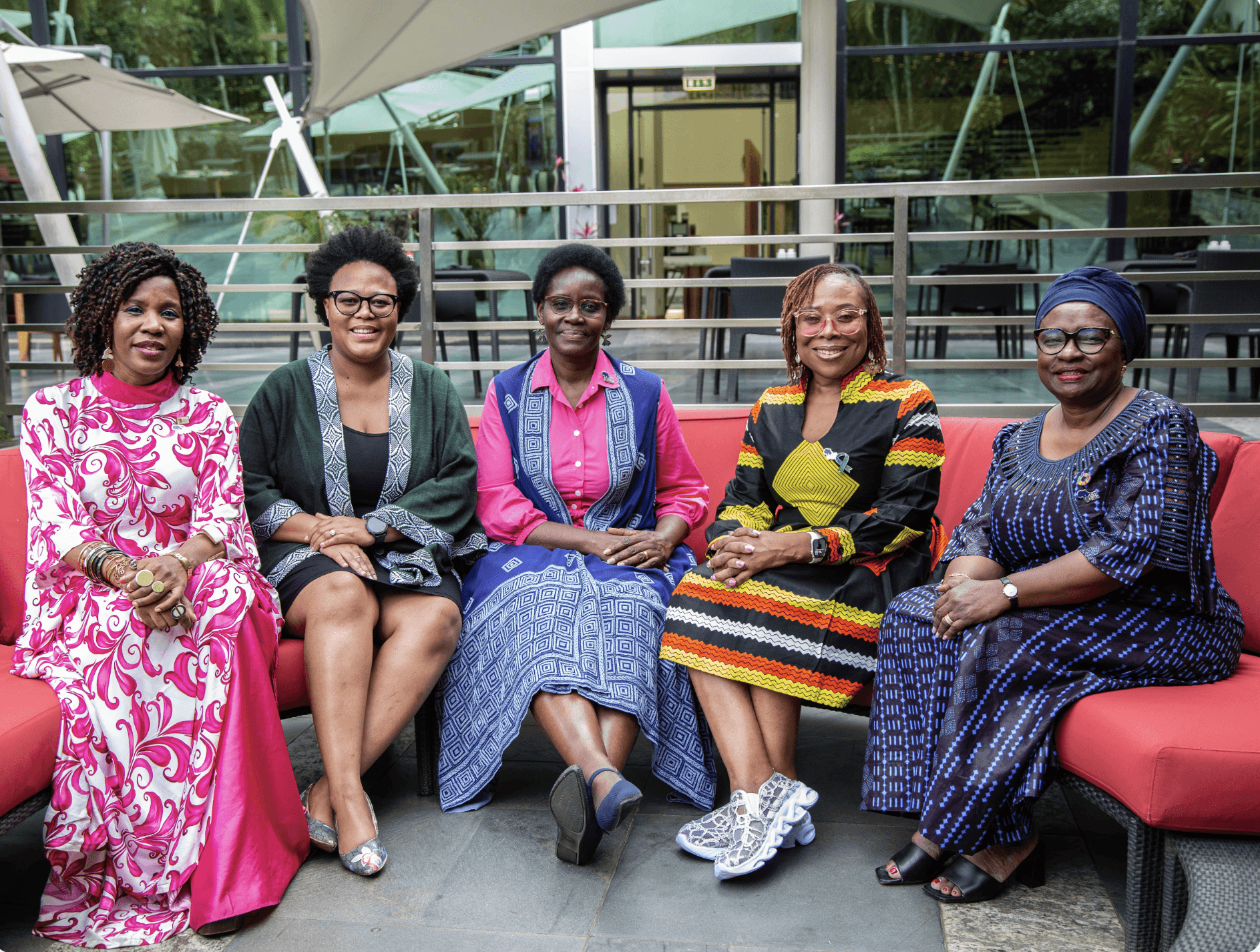
Launched during Breast Cancer Awareness Month in October 2024, the Africa Breast Cancer Council brings together leading African experts, including esteemed economists, healthcare professionals, oncologists, first ladies, and former ministers. United by their commitment to advancing breast cancer care in Africa, the Council's mission is to tackle the growing burden of breast cancer among women in Africa and to advocate for systemic changes to increase survival rates.
The members of the Council are driven by a shared vision: a future where every African woman has access to timely, equitable and life-saving breast cancer care.
The challenge
Breast cancer is the most commonly diagnosed cancer among women in Africa. Today, 5 in 10 women diagnosed with breast cancer in sub-Saharan Africa will not be here in five years time, compared to a survival rate of over 90% in high-income countries. Breast cancer has devastating impacts on patients while also creating significant challenges for communities, societies and economies throughout Africa.
To tackle the burden of breast cancer on women across Africa, the World Health Organization (WHO) launched its Global Breast Cancer Initiative in 2021. The initiative is built on three pillars for addressing breast cancer and sets regional targets to achieve by 2040.

WHO 2040 breast cancer goals
Our approach
The Council is pan-African, with initial policy work focused on 10 countries identified for their potential to lead transformative advancements in breast cancer care and inspire action across the continent: Algeria, Côte d’Ivoire, Egypt, Ghana, Kenya, Morocco, Nigeria, Rwanda, South Africa, and Tunisia.
Supported by Roche, the Council works to develop and advocate for actionable, scalable policies that improve outcomes for women facing breast cancer. By connecting with and convening leaders, policymakers, and experts, the Council focuses on supporting government efforts to make breast cancer a national health priority and works to support stakeholders’ collaboration and alignment.
By working towards the WHO’s targets, the Council can drive meaningful, coordinated policy change that will save lives across Africa.
Our strategic objectives
Identify and highlight critical gaps that African countries need to close to speed up effective breast cancer diagnosis and treatment, raising awareness of breast cancer as a national health priority.
Foster policy dialogue and change policies in key priority countries, focusing on government funding and resource provision for breast cancer education, treatment and care.
Advocate for the resources needed to improve access to care and explore innovative solutions to tackling breast cancer, focusing on building strategic partnerships and facilitating collaboration between public and private sectors.
Creating lasting impact
By identifying and addressing gaps in existing health policies, government funding and health infrastructure, we can highlight targeted interventions that increase early detection rates and ensure timely access to treatment. Our approach involves forging strategic partnerships and reaching new audiences to help influence policymakers and unlock new resources, financing models and solutions.
To achieve these strategic objectives, the Council engages in targeted activities such as publishing key reports, engaging policymakers, and building regional collaborations.

SOURCES:
International Agency for Research on Cancer (IARC). Breast Cancer Outcomes in Sub-Saharan Africa: The need to tackle advanced stage at diagnosis and improve access to high-quality treatment. IARC Evidence Summary Brief No. 1, 2021.
International Agency for Research on Cancer (IARC). Global study highlights substantial inequalities in breast cancer stage at diagnosis. Press Release No. 343, 2023.
World Health Organization. Global Breast Cancer Initiative Implementation Framework: Assessing, strengthening and scaling-up of services for the early detection and management of breast cancer. 2023.
